Choosing between a leather lounge and a fabric lounge often feels like a subjective battle of style versus comfort. But the right decision goes far beyond aesthetics—your local climate and daily lifestyle are the real deal-breakers. A leather sofa that peels in the winter or a fabric lounge that grows mold in summer can turn a smart purchase into a costly mistake. This guide moves past generic pros and cons to give you a climate and lifestyle decision framework, so you can pick the material that will actually last in your home.
Quick Takeaways
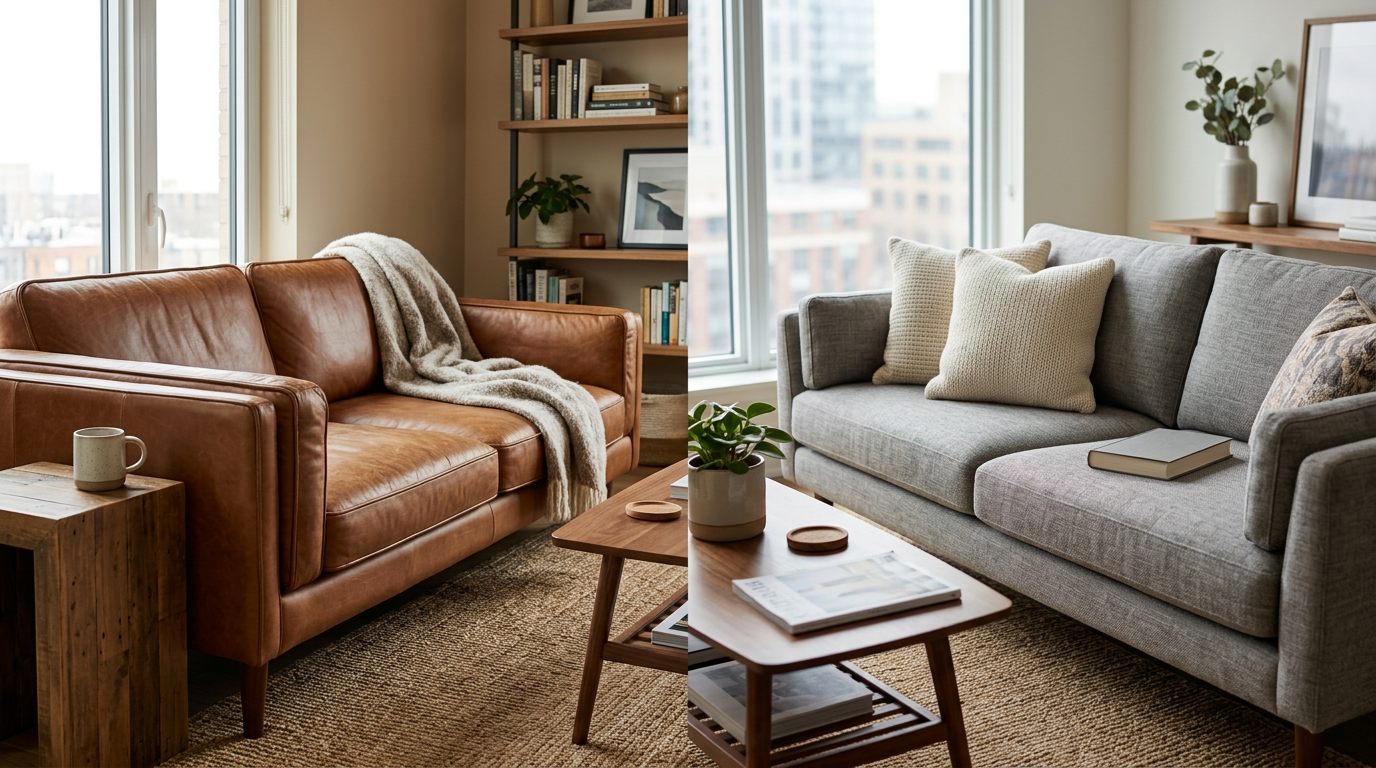
- Climate matters most: Leather suffers in cold, dry climates (cracking) and hot, humid climates (sticky feeling). Fabric can trap moisture and lead to mold in damp environments.
- Lifestyle shifts the balance: Allergies, pet claws, and kid spills each favor one material—but not always in the way you might expect.
- Use a decision matrix: Map your home’s temperature, humidity, and sun exposure against your daily routines to get a clear, evidence-based recommendation.
How Climate Dictates Lounge Performance
Your local climate is the single biggest factor in how a lounge material ages. Leather and fabric respond very differently to temperature swings, humidity levels, and sunlight. Ignoring these conditions is the #1 reason people regret their choice within a year.
Cold, Dry Climates: Leather’s Biggest Enemy
In regions with harsh winters and low indoor humidity (think below 30–40% relative humidity), leather loses its natural oils. The result is a stiff, brittle surface that eventually cracks, especially on seat cushions and armrests. This is not a quality issue—it’s a material response. Even high-end leathers like top-grain or full-grain will show wear if the air is too dry. Fabric lounges, by contrast, remain pliable and comfortable in dry cold, though they can feel colder to the touch initially.
Hot, Humid Climates: Sticky Leather and Moldy Fabric
If you live in a tropical or subtropical area where summer humidity stays above 60%, both materials have tradeoffs. Leather can feel sticky and sweaty against bare skin—a problem during long, humid evenings. The moisture in the air can also cause leather to absorb humidity and eventually warp or discolor. Fabric lounges, especially those with tight weaves or synthetic blends, trap moisture easily. If the room lacks airflow, mold and mildew can develop deep within the cushions, creating a musty smell and potential health hazards. A fabric lounge with a removable, washable cover is a better bet, but only if you can dry it thoroughly.
Sun Exposure: The Silent Degrader
Direct sunlight damages both materials, but in different ways. Leather fades, dries out, and becomes brittle when exposed to UV rays for several hours a day. Fabric, particularly synthetic or polyester blends, can fade rapidly and even weaken the fibers, leading to tearing. If your lounge sits near a window with strong afternoon sun, both materials require protection—sheer curtains, UV-blocking window film, or strategic placement. But leather is more forgiving in indirect light, while fabric can hide fading better if it has a patterned weave.
Lifestyle Factors That Change the Equation
Climate sets the stage, but your daily life determines the winner. Allergies, pets, and children each introduce specific challenges that common advice often gets wrong.
Allergies: Fabric Isn’t Always the Culprit
Conventional wisdom says leather is better for allergy sufferers because it doesn’t trap dust mites, pet dander, or pollen. That’s true—leather’s smooth surface wipes clean easily, and dust mites can’t burrow into it. However, leather can harbor allergens in its creases and seams if not cleaned regularly. Fabric lounges, on the other hand, can be treated with anti-allergen sprays or choose tightly woven microfiber that resists dust penetration. The real key is whether you can wash or vacuum the upholstery. For severe allergies, a leather lounge with a damp cloth weekly is the safest bet. For mild allergies, a fabric lounge with a removable, machine-washable cover offers excellent control.
Pets: Claws vs. Cling
Pet owners often gravitate toward leather because hair and fur don’t cling to it. But leather’s Achilles’ heel is its vulnerability to claws. Even a single scratch from a cat or dog can leave a permanent mark. Fabric lounges, especially those with tightly woven polyester or microfiber, resist snags better and are less likely to show wear from claws. The tradeoff is that pet hair can embed in fabric, requiring a lint roller or vacuum. The best fabric options for pets are performance fabrics like Crypton or Sunbrella, which are designed to resist scratches, stains, and odors. For leather, consider a distressed or “pull-up” finish that hides scratches naturally.
Children: Spills, Stains, and Survival
Kids are the ultimate test of any lounge material. Leather handles surface spills well—just wipe them up before they dry. But if a spill sits for too long, leather can stain, and the damage is often permanent. Fabric lounges can be treated with stain-resistant finishes, but spills that soak into the padding can cause odors and bacteria growth. The winner depends on your cleanup speed. Fast-cleaners are fine with either; slow-cleaners should choose a fabric with a removable, washable cover or a synthetic leather that’s more stain-resistant. Vinyl or leatherette is a budget-friendly alternative that mimics leather but is easier to clean with kids.
The Decision Matrix: Mapping Your Home Environment to the Right Material
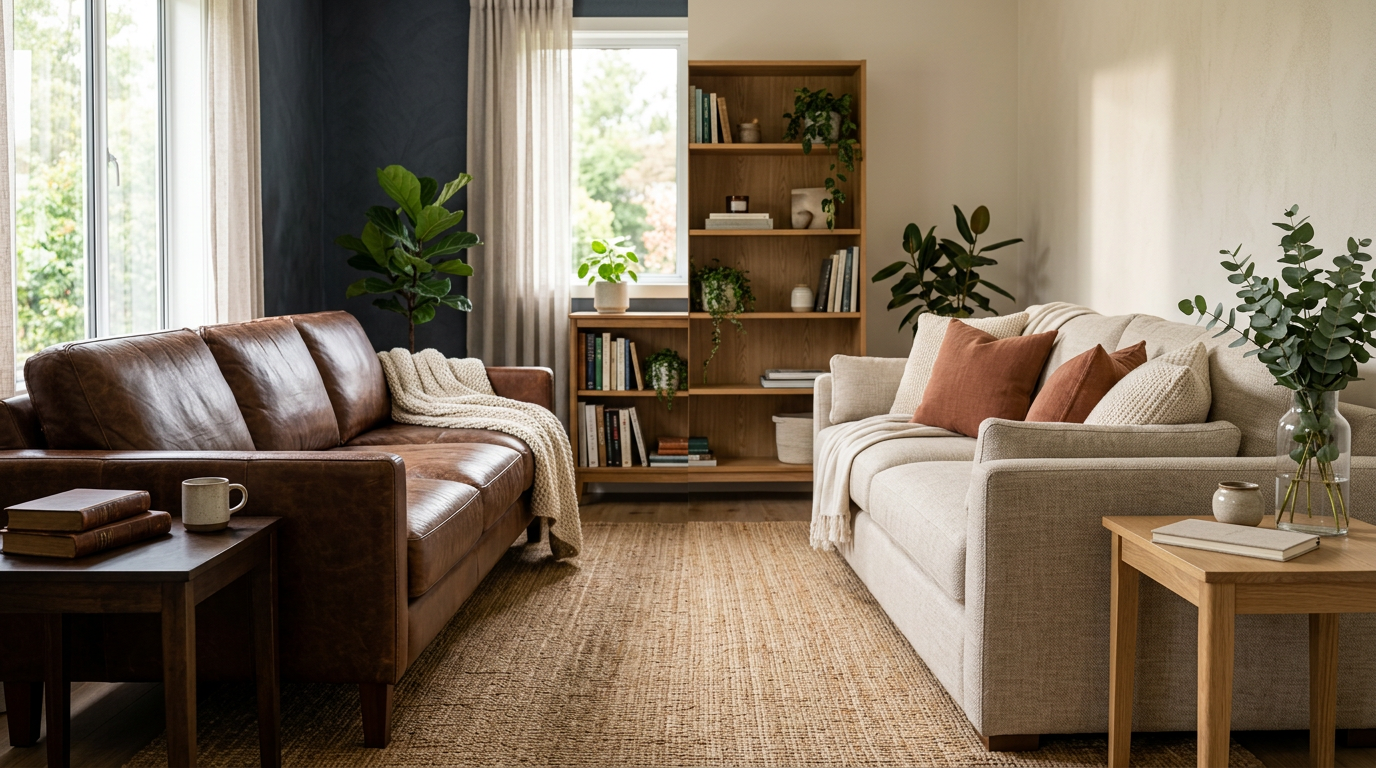
To make the choice clear, use this simple matrix. Rate your home on three climate factors (temperature, humidity, sun exposure) and three lifestyle factors (allergies, pets, children). Then match the dominant pattern to the recommended material.
Step 1: Score Your Climate
- Temperature: If your home stays below 70°F (21°C) most of the year, score 1 for cold. If above 85°F (29°C), score 1 for hot. Otherwise, score 0.
- Humidity: If indoor humidity is below 30% in winter, score 1 for dry. If above 60% in summer, score 1 for humid. Otherwise, score 0.
- Sun exposure: If the lounge gets direct sunlight for more than 3 hours a day, score 1 for sun. Otherwise, score 0.
Step 2: Score Your Lifestyle
- Allergies: If anyone in the household has moderate to severe allergies, score 1 for allergy-sensitive.
- Pets: If you have a cat or dog that jumps on furniture, score 1 for pets.
- Children: If you have children under 10 who eat, drink, or play on the lounge, score 1 for kids.
Step 3: Find Your Recommendation
| Climate Score | Lifestyle Score | Recommended Material |
|---|---|---|
| Dry + Cold (score 2+ in climate) | Any | Fabric (leather will crack) |
| Humid + Hot (score 2+ in climate) | Allergy or Pet | Fabric with removable cover (leather sticky, fabric can mold but washable) |
| Humid + Hot (score 2+) | No allergies, no pets | Leather (if you can control humidity with a dehumidifier) |
| Sun exposure (score 1) | Any | Fabric with UV-resistant finish (leather fades and dries) |
| Moderate climate (score 0-1) | High allergy | Leather |
| Moderate climate (score 0-1) | Pets or kids | Fabric (performance fabric preferred) |
| Moderate climate (score 0-1) | None of the above | Personal preference |
Practical Example: A Family in a Humid Coastal City
Consider a family in Houston, Texas, with two children and a cat. Their climate: hot and humid (humidity often 70%+), with moderate sun exposure. Their lifestyle: kids and pets. Using the matrix, climate score is high for humidity, and lifestyle includes pets and kids. The matrix recommends a fabric lounge with a removable, washable cover—preferably a performance fabric like microfiber or Crypton. Leather would feel sticky in summer and might crack from the cat’s claws. The fabric option allows them to wash the cover monthly and avoid mold by keeping the room ventilated with a dehumidifier.
Beyond the Basics: Care and Longevity
Once you’ve chosen a material, proper care extends its life significantly. Leather requires conditioning every 6–12 months in dry climates, and you should avoid placing it near radiators or air conditioning vents. Fabric lounges need regular vacuuming and prompt stain treatment—especially important if you chose a light-colored fabric. For both, consider using a professional cleaning service annually if you have high traffic or allergens.
Frequently Asked Questions
Can I use a leather conditioner to prevent cracking?
Yes, but only if the leather is aniline or semi-aniline. Pigmented leather (most common in budget sofas) doesn’t absorb conditioner well. Always test in an inconspicuous area first. In dry climates, condition every 3–4 months during winter.
Is fabric lounge more likely to cause allergies?
Not necessarily. Tightly woven synthetic fabrics (like polyester microfiber) can actually trap less dust than a loosely woven natural fabric like cotton. The key is to choose a fabric with a high thread count and washable cover.
What about performance fabrics like Sunbrella or Crypton?
These are excellent for homes with pets, kids, or high humidity. They resist stains, moisture, and mold, and are often more durable than standard fabric. The tradeoff is a higher upfront cost, but they can outlast both leather and standard fabric by several years.
Can I switch between leather and fabric later?
You can reupholster a lounge, but it’s expensive and often not worth it for budget pieces. If you’re unsure, consider a slipcover-style lounge that allows you to change the fabric cover easily. This gives you flexibility as your climate or lifestyle changes.
Is bonded leather a good alternative?
Bonded leather is made from leftover leather scraps glued together with polyurethane. It’s cheaper but less durable—it peels and cracks much faster than genuine leather, especially in dry climates. Avoid it if you want longevity.
Conclusion: Your Next Step
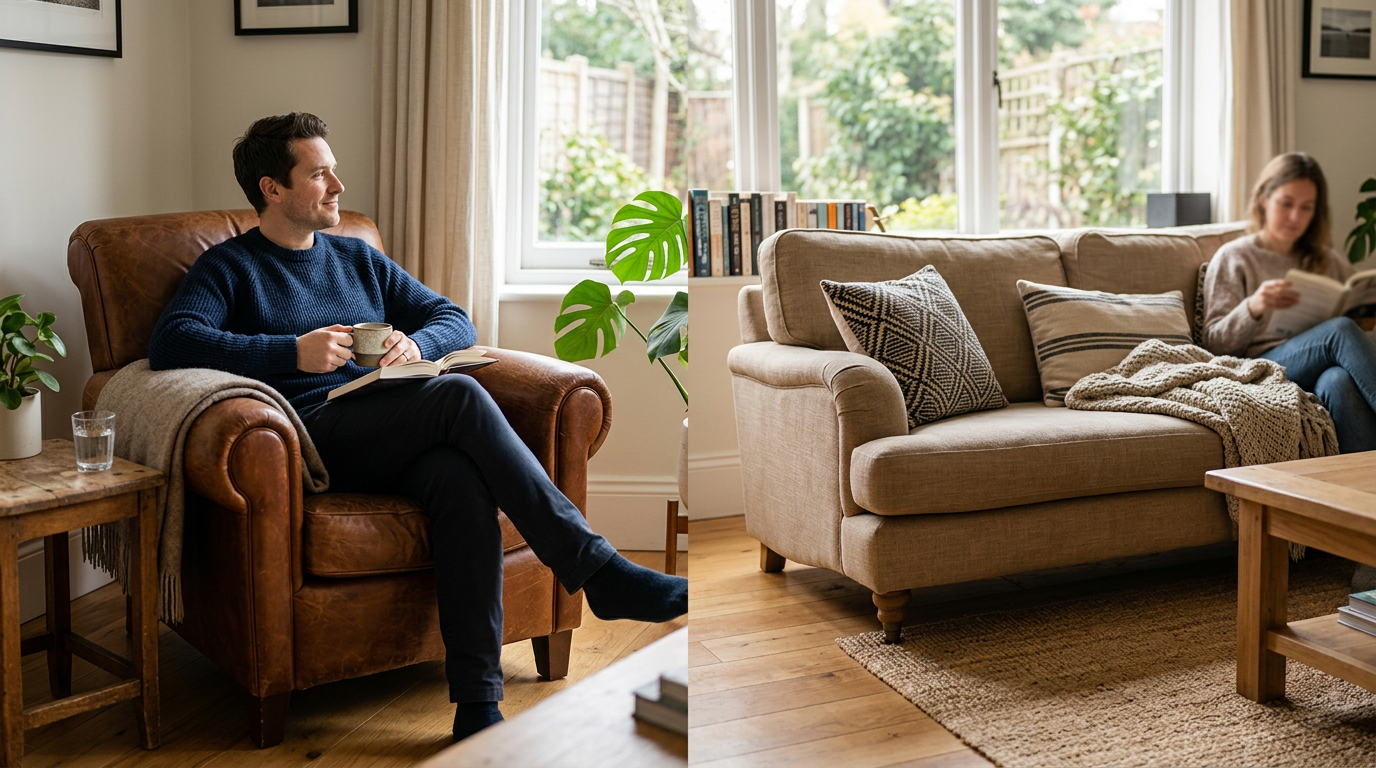
The leather vs fabric lounge debate doesn’t have a universal winner. The right choice depends on your specific climate conditions and lifestyle demands. Use the decision matrix above to score your home and match it to the recommended material. Then, before buying, test the material in your own environment—bring a fabric swatch home and leave it in direct sunlight or near a vent for a few days. This simple test will reveal more than any online guide. Your next move is to measure your room, note your climate and lifestyle scores, and start shopping with confidence.
When you have scored your climate and lifestyle, compare options in the lounge furniture range, including fabric pieces such as the Dalton 3-Seater Chaise Sofa.